THE FATA MORGANA TRAP
25 Beginner & Psychology Traps Every Independent Investor Should Recognise
By Jon Ane
Before you analyse the investment, analyse the investor.
Why do intelligent people make poor investment decisions?
Why do experienced investors sometimes follow the crowd?
Why can a rising share price create excitement, while a falling price creates panic?
And why do we sometimes know that a decision is wrong, yet find it incredibly difficult to admit it?
The answer is often not found in the financial statements.
It is found in human behaviour.
The stock market does not simply test what you know. It tests what you do when money, uncertainty, fear, excitement and opportunity collide.
The Investor’s Trap — Step One takes you inside the 25 beginner and psychological traps that can influence an independent investor before sophisticated financial analysis even begins.
You will encounter FOMO, panic, overconfidence, confirmation bias, herd behaviour, revenge investing, anchoring, impatience, emotional attachment and many other predictable behaviours that can quietly distort investment decisions.
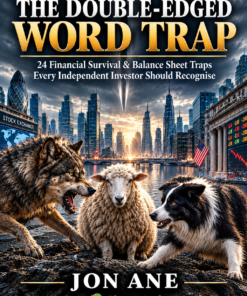
To make these behaviours easier to recognise, the book introduces three memorable characters:
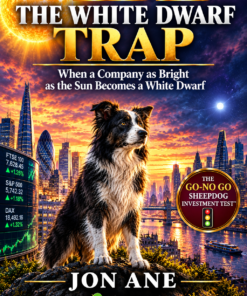
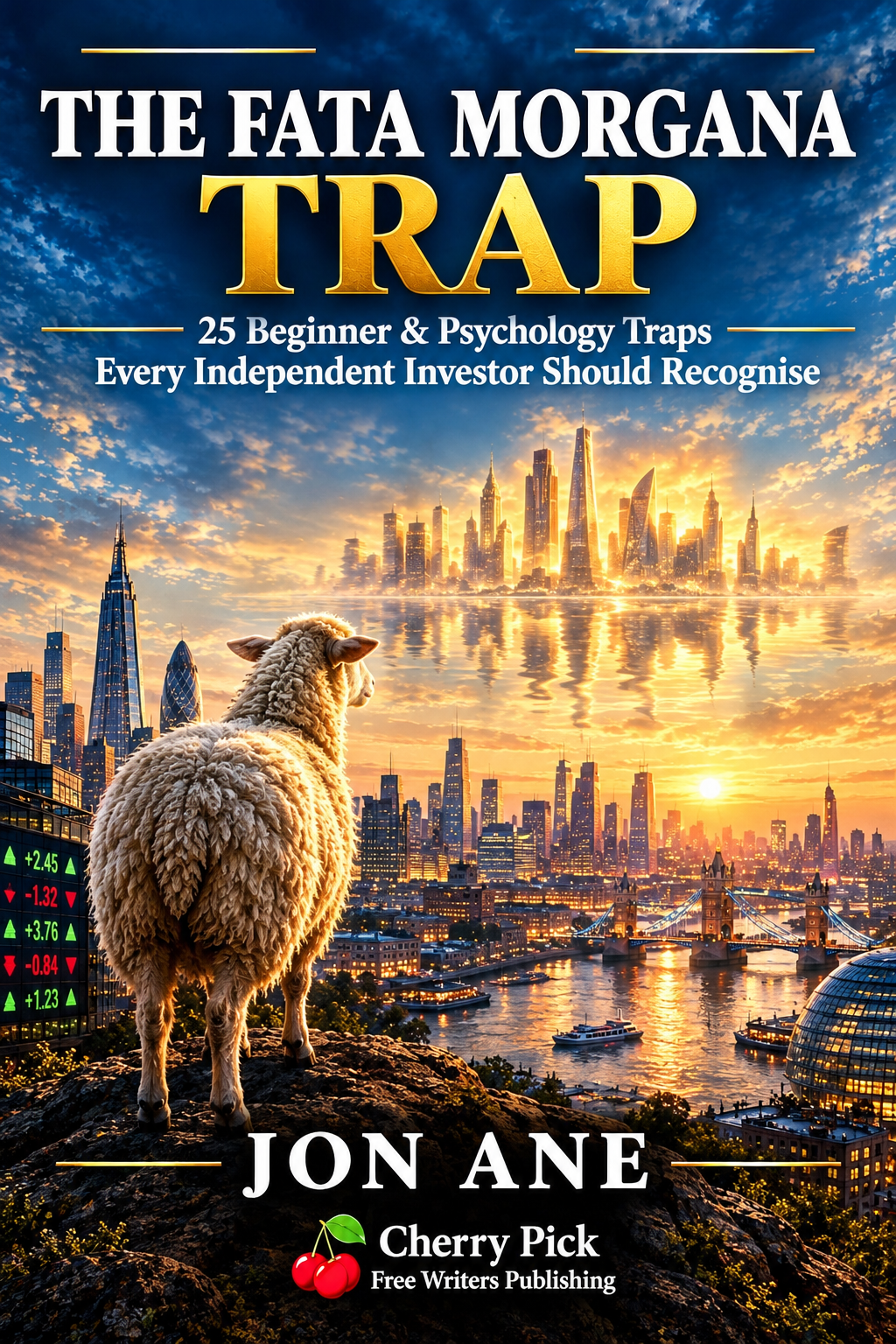
The Sheep follows the flock.
When everyone is buying, the Sheep wants to buy. When everyone is selling, the Sheep wants to sell.
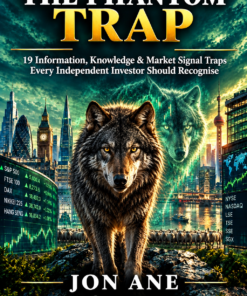
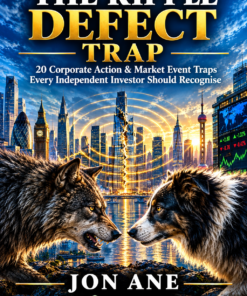
The Wolf understands the behaviour of the flock.
The Wolf recognises how fear, excitement and uncertainty can influence investors—and how predictable behaviour can create opportunities and risks.
Then there is the Sheepdog.
The Sheepdog stops.
It questions.
It observes.
It protects.
The Sheepdog represents the discipline every independent investor needs: the ability to step back from the crowd and question their own decision.
This is where the Sheep Test™ comes in.
Instead of simply asking:
“Is this a good investment?”
you learn to ask:
“Am I making a good decision?”
What am I really doing?
Why am I doing it?
What could make me wrong?
Am I following evidence—or following emotion?
These questions matter because psychological traps have real financial consequences.
Excitement can lead you to buy at an inflated price.
Fear can cause you to sell a sound investment at the worst possible moment.
The desire to recover a loss can encourage you to take even greater risks.
And being convinced that you are right can prevent you from seeing evidence that you are wrong.
You don’t need to be a professional trader, financial analyst or fund manager to encounter these traps.
You simply need to be an investor.
And being intelligent does not make you immune.
An intelligent person can still be influenced by fear.
An experienced investor can still follow the crowd.
A careful investor can still become overconfident.
And a successful investor can still make a poor decision.
The Investor’s Trap — Step One does not tell you what shares to buy.
It starts somewhere more fundamental.
It asks you to examine the person making the decision.
Because before you analyse the company, the market or the numbers, there is one question worth asking:
Have you analysed yourself?
The market will provide opportunities.
It will also provide temptations.
Learning to tell the difference is one of the first skills every independent investor needs.
Build your first line of defence: your own judgement.